
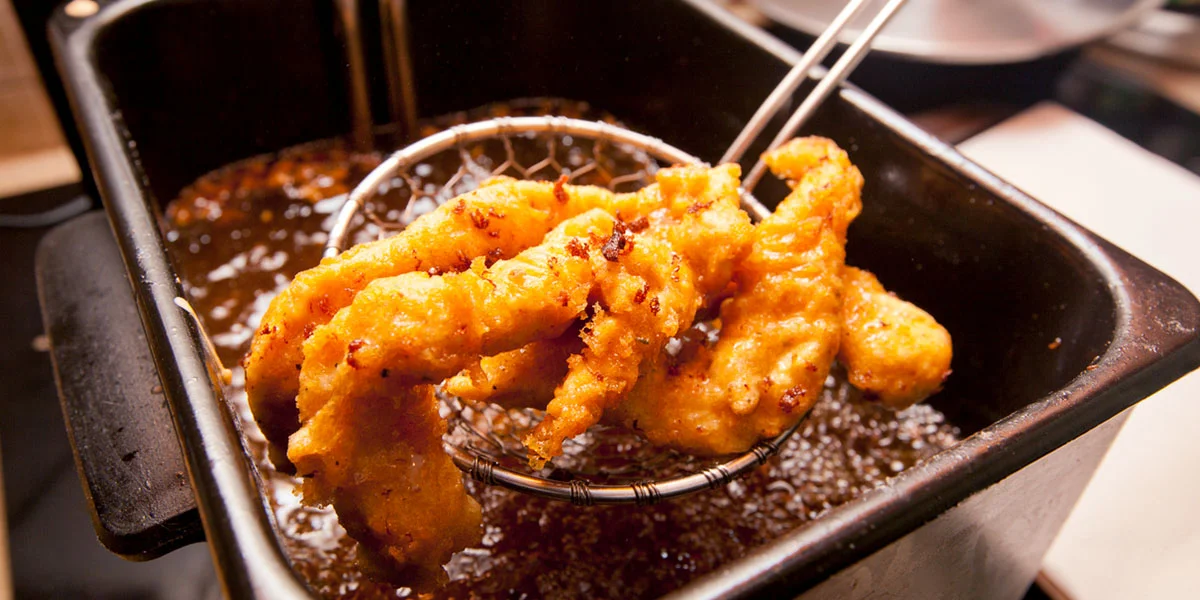
Have you ever had a fry so good that it gives you trust issues with other fries?
If you answered no, then you've never had fries cooked in beef tallow, and you should seriously get in your car right now, drive to Bar 209, and try it.
Cooking in beef tallow is an age-old practice that is experiencing a resurgence — and for good reason, because it's delicious, nutritious, and eco-friendly. Keep reading for more on the history of beef tallow, the health benefits, and cooking uses.
There was a time when McDonald's fries were really good. Each crispy fry would fall apart as you bit into it, transforming into a pillowy soft potato. The secret was one special ingredient used in cooking — beef tallow. Tallow is made by clarifying the fatty tissue surrounding the organs of ruminant animals, like cows. It has long been used as a neutral fat for cooking and was prized for its high smoke point.
In the 1990s, fat-free foods became the trend, and the great "fat-astrophe" occurred. So began the demise of the best french fries. During this era, people swapped out animal fats for vegetable oil, which was believed to be healthier at the time. The shunning of cooking with beef tallow began, making it one of the first victims of cancel culture (long before canceling things was cool).
In recent years, there's been a resurrection of cooking with beef tallow. The rise of diets like carnivore and Banting would've had the low-fat fans of the 1990s shaking in their boots.
So, the low-fat/fat-free diet craze began — people were dabbing pizzas with tissues, body-shaming celebrities, and swapping out crispy, delicious french fries for floppy, oily potato sticks. It was a crazy time. The plot twist? Frying in beef tallow has some health benefits.
While many people assume that seed oils, such as canola oil, are better than tallow, there are actually many health benefits of cooking with beef tallow. For example, it contains fat-soluble vitamins that are essential for immune support and bone health.
Here's a deeper comparison chart of beef tallow vs. seed oils:

Heating seed oils at high temperatures causes accelerated oxidation and releases harmful compounds. Tallow remains calm, unlike those dramatic oils that smoke at the slightest provocation. The benefits of cooking with beef tallow make it a popular pick among top cooks (and every grandmother ever).
The high smoke point and delicious richness make tallow perfect for a range of cooking methods:
When you visit Bar 209, you can pair the unbeatably crisp and deeply savory foods cooked in tallow with different types of beers and wines.

One of the cooking benefits of beef tallow is that it's better for the environment. Beef tallow is a by-product of the meat production industry, so it's sourced during the meat production process. This reduces agricultural waste and reliance on resource-intensive crops. Beef tallow supports the nose-to-tail eating philosophy that focuses on using every part of the animal.
Tallow typically comes from humanely raised cattle that are usually grass-fed. Using more tallow can help encourage better treatment and living conditions for cattle. Better conditions support regenerative agriculture by improving soil quality, reducing the need for fertilizers, and increasing biodiversity.
Compared to processed oils, tallow doesn't require substantial processing steps. Industrial oils like palm oil call for extensive energy inputs to process.

Do you want to taste the crispiest, fluffiest fried foods ever? We've got them at Bar 209. We've switched to beef tallow in our fryers so you can enjoy crispy fried dishes, from beer battered sweet dill pickles to crispy fried shrimp — and golden brown, pillowy fries, of course. Our fries are what most fast-food fries wish they could be. We also have comforting scratch-made food like juicy smash burgers, creamy pastas, and decadent cakes.
Bar 209 is one of the best places to visit in Bemidji, especially when you consider our unbeatable specials, including Taco Tuesdays and Happy Hours. With our loyalty rewards program, you can earn points for every dollar spent and get incredible discounts (to enjoy more fries, perhaps — we don't judge).
Come through at Bar 209 in Bemidji, Minnesota, and taste the most mouthwatering tallow-fried foods ever.